What Integrated Marketing Communications Taught Me

How do you distill an eight-week course into a blog post approximately 400 – 800 words in length? Let’s give this a shot by focusing on what I can share with someone who’s new to the industry.

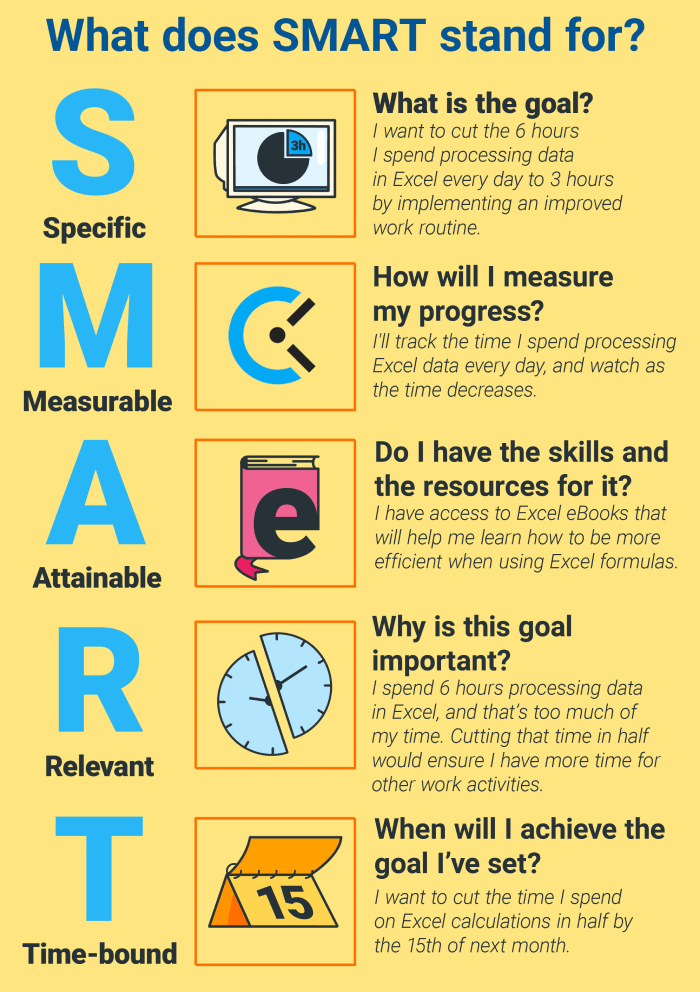
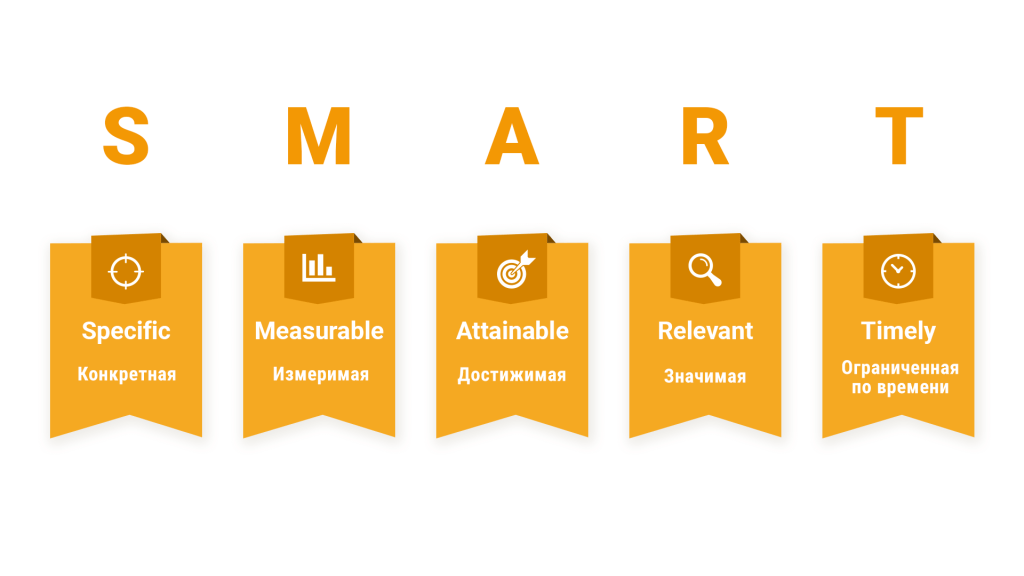
  Now that’s I’ve taken Principles of Integrated Marketing Communications, I have an appreciation for setting SMART goals and setting thoughtfully considered KPIs for gauging how your progress towards those SMART goals is tracking. I found both these segments in the course impactful, and they both go hand in hand. You need to make sure your goals are specific, measurable, and attainable. The measurable piece is what’s tied into the KPIs section, otherwise how do your gauge while working towards your goals?
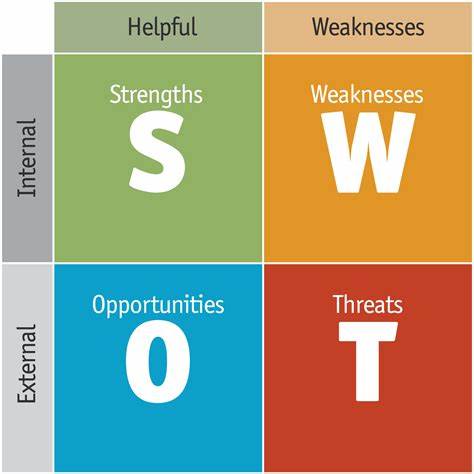
  I’ve had experience determining my target audience and performing a SWOT analysis in prior marketing courses, but it felt great to revisit those sections as they are pivotal when designing a marking campaign. I really enjoyed designing a creative brief and a creative strategy statement and I think it’s important to work on this in the real world if you expect to gain buy-in from internal and external stakeholders. Making sure that you’re designing a clear and concise message to everyone is what’s going to lead to success in your marketing endeavors, and the creative brief and creative strategy sections in module four went a long way for me to develop those skills.
  Finally, making considerations of your long-term strategy for communicating performance of the marketing campaign on the final project is where it all came full circle for me. How else will your plan continue to be effective? Having well thought out strategies and tactics considered with your marketing channels will allow your marketing campaign to have future success. I also enjoyed reviewing information in relation to public relations and how to proceed ethically with an integrated marketing communications strategy.
  In closing, I really enjoyed this course, for someone who’s new to the industry I would recommend diving into the highlights I shared above. Focusing on those sections and modules led to success when it came to my assignments. Furthermore, after reviewing the materials I feel like I understand how to run a successful marketing campaign. I’ve ran marketing campaigns before in the past during my time working for Microsoft, and the concepts that resonated with me in this post are concepts I’ve ran into in the past during my time handling marketing efforts there. That is some advice I’d like to provide for someone new to the industry, thanks for reading.
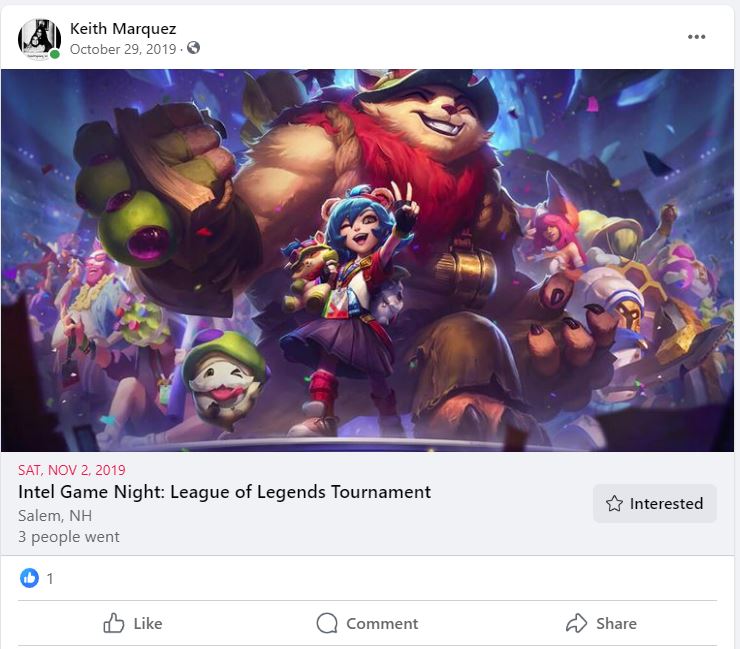
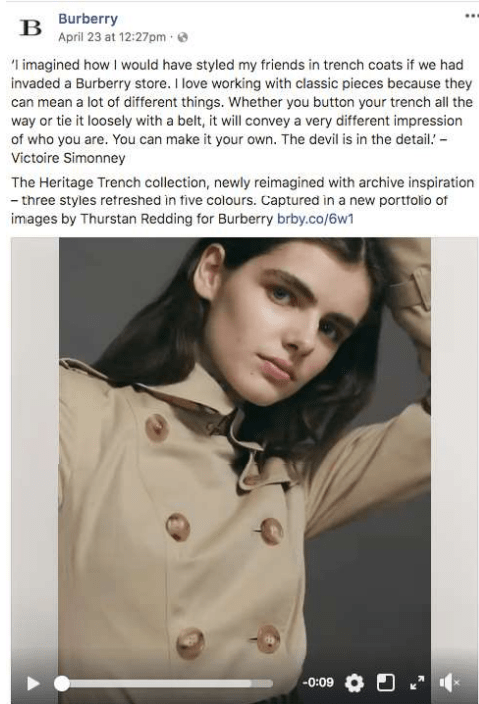
Example of past social media post for a marketing campaign I designed during my time at Microsoft.

Marketing Campaigns and SMART Goals

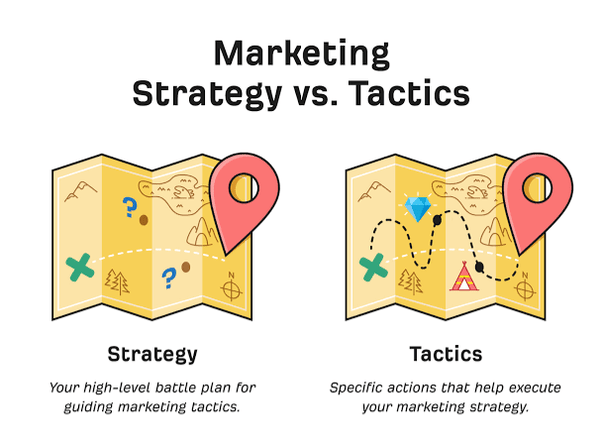
  To properly explain the differences between goals, strategies, and tactics, it would be best to define each term. Tactics are highly practical things you can do every day, such as creating content for your site, tweeting, emailing, reaching out to other bloggers, editing page titles, scheduling, and keeping appointments, etc. The plan that makes sure all your daily operations—or tactics—contribute to your quarterly, yearly, and monthly business objectives is known as your strategy, also considered a solid broad vision that aims to achieve your pre-established goals and objectives. Lastly, a goal is the intended outcome of someone’s aspirations or efforts. SMART goals use a series of five benchmarks that allow users of the method to create concise goals and action steps.

Specific, Measurable, Attainable, Relevant, and Timely.

  It’s important to set SMART goals when creating a marketing campaign as they will keep you on track and make sure your goals are specific, measurable, actionable, relevant, and time-based. Questions to consider when setting your SMART goals should be tied to those terms, so asking yourself “What do I want to accomplish?” or “What actions will I need to take?” will be great questions to ask when judging how quantifiable or specific a goal is.

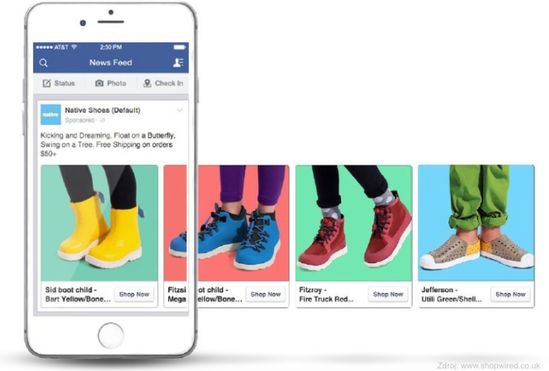
  To help us understand the relationship between marketing tactics and strategies, let’s think of a real-world-application-scenario within the world of retail where the strategy might be to use Facebook ads to reach the target audience. With that strategy in mind, a tactic one might use that aligns with that strategy would be to use video and carousel ads to feature close-up images of selected retail items, let’s say shoes.

Carousel ad example.

  Setting key performance indicators (KPIs) can help ensure marketing channels are being tracked and are working towards company goals. KPIs for tracking social media can vary by the platform, for example Likes would be a useful KPI when weighing performance for Facebook related campaigns. Views, average view duration and subscribers would be useful metrics to track for YouTube. To gain additional perspective, let’s change the channel and consider some KPIs for direct marketing. A form of direct marketing would be email, and the KPIs you would use to weigh the effectiveness of an email campaign would vary from a social media campaign. A few useful KPIs to consider when reviewing an email campaign would be open rate, click-through rate (CTR) and subscribers. Those are a few examples of how you can ensure that your SMART goals are being met using key performance indicators.

Influencer Marketing Perspectives

After reviewing this 60 minutes transcript and reflecting on influencers I follow, I’ve noticed that this type of marketing can be highly impactful if the product or service is relevant to the audience that the influencer has built. For instance, influencers that come to mind for me would be considered content creators. I would also consider them industry leaders in providing fantasy football advice, The Fantasy Footballers.

What I’ve personally noticed about influencer marketing, and notice about The Fantasy Footballers, is the way they approach ads. They are upfront that the product or service is an ad, which they do to maintain follower trust. Then they continue to harbor that trust by promoting products that align with their brand.

  An example of this can be seen when The Fantasy Footballers promoted FantasyJocks during an ad on their show. FantasyJocks is a company that offers Fantasy Football trophies, belts, rings and draft boards (FantasyJocks, 2022).

This aligns well with the brand The Fantasy Footballers have built, since they promote themselves as experts “who break down the world of Fantasy Football with astute analysis, strong opinions, and matchup-winning advice you can’t get anywhere else” (The Fantasy Footballers, 2022).

  Strategies The Fantasy Footballers employ are to incorporate the ad organically into the show, instead of cutting to a third party “pre-roll” for the ad. The organic-ad will typically tell a personal story around the item they are promoting and a reason why they are promoting it. This comes across as more personal and relevant, which allows the ad to resonate better.

  The role that influencers play in the marketing is like a personal spokesperson, almost like that of a friend. As a listener who has forged a long-time listening relationship with the creator, I’m willing to support companies who support the creator, and for that reason I’m more open-minded to the ad. This dichotomy of influencers promoting items and services from companies, and the followers choosing to support those companies makes it feels as though it’s a friend-supporting-friend exchange.

  The use of marketing, if handled correctly, makes it so that the ad resonates better with the audience that the brand has forged. Had the FantasyJocks ad been an ad for Burberry trench coats, I don’t feel that the ad would have resonated the same.

For that reason, influencers must also be mindful of the brands they choose to partner with to promote. If The Fantasy Footballers start partnering with brands outside of their target audience, it could hurt their credibility and make it so that their audiences start tuning out their ads, which can negatively impact the relationship between the company and the consumer. Those are some perspectives on influencer marketing.

References

FantasyJocks. (2022). About Us | FantasyJocks. Retrieved from https://www.fantasyjocks.com/

Hubspot Academy. (2022). Extending Your Reach On Social Media. Retrieved from https://f.hubspotusercontent20.net/hubfs/137828/_Academy%20Education%20-%20Learning%20Center%20Resources/Academy_Certification%20Courses/Academy_Social%20Media%20Certification/Academy%20Lesson_Extending%20Your%20Reach%20on%20Social%20Media/Slide%20Decks/S

The Fantasy Footballers. (2022). About The Fantasy Footballers | The Fantasy Footballers. Retrieved from https://www.thefantasyfootballers.com/about/

Whitaker, B. (2016). The Influencers. Retrieved from https://www.cbsnews.com/news/60-minutes-kim-kardashian-logan-paul-social-media-influencers/

Effectively Impacting the Consumer Through Digital Media

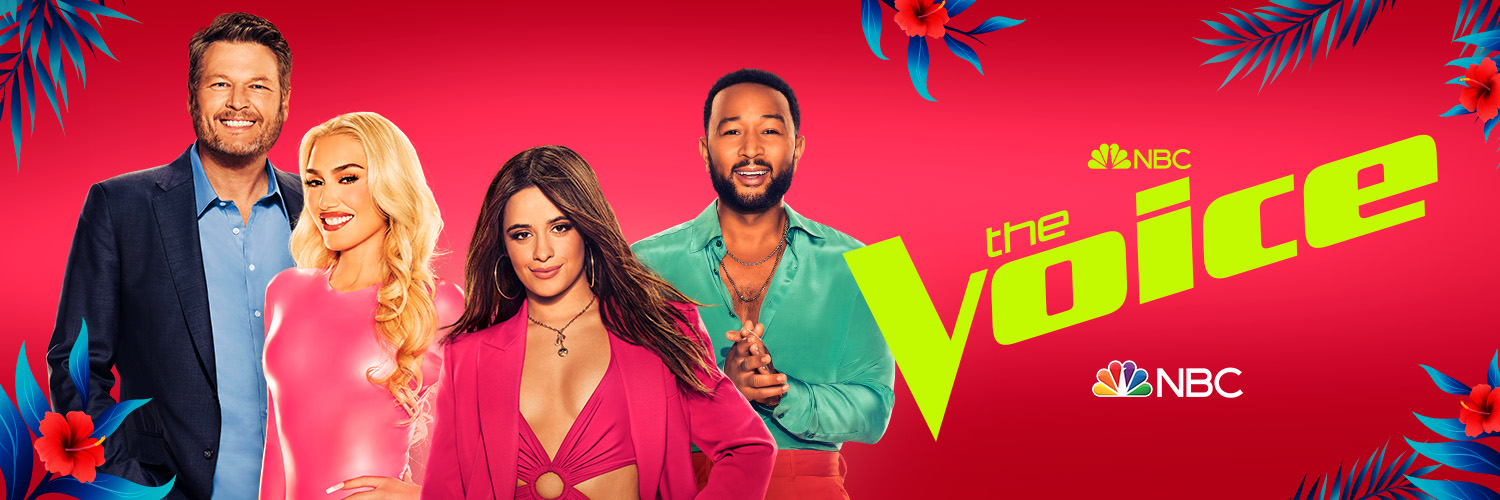
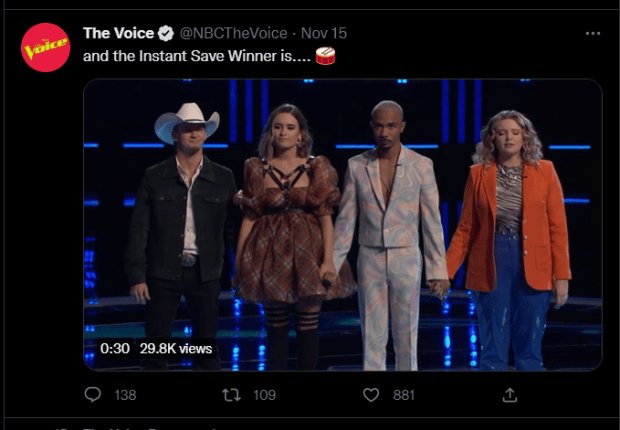
We will be analyzing The Voice’s use of digital media and what they have done successfully to meet the wants and needs of their target audience. What the voice has done successfully is make social media a vital part of their program. Being dubbed “social tv”, The Voice engages their audience via their ‘Instant Save’ feature, where each week fans would vote via tweet for the artists they want to save from elimination.

  The social and consumer experience was addressed through the Social TV approach since those who partook in the social engagement opportunities would also need to watch in real-time so they would be able to vote. Consumers of the content would reflect on the social element of the show and would be driven to a platform such as Twitter to partake in the next ‘Instant Save’ vote opportunity.

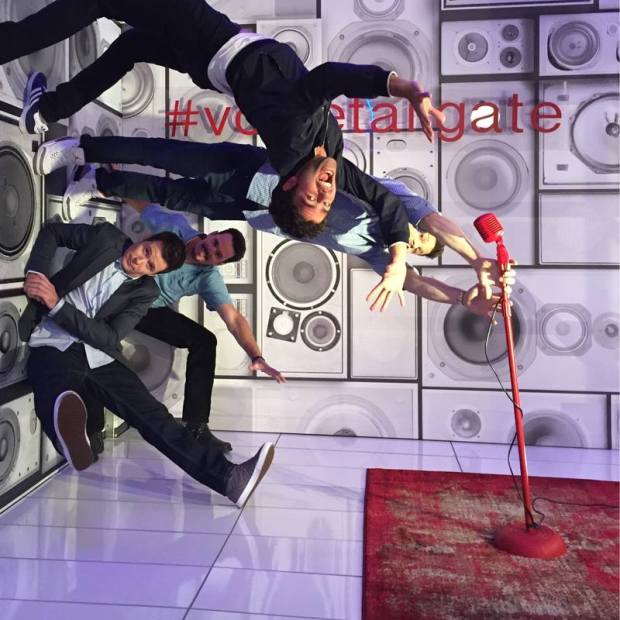
  Digital media followers were handled in a diverse number of ways. The Voice partnered with all the major social platforms (NBC Entertainment, 2016). Most notable of which was Twitter, where they encouraged fans to send millions of tweets during the season among promoting personalized hashtags for fans. They also handled digital media followers on Tumblr by integrating fan art and influencers into a performance by Team Pharrell. They would also and partner with Instagram to build a room on its side on to help produce mind-warping photos.

  Something that could have been done differently to make the experience more efficient would have been to collaborate with Twitter in a platform specific campaign, in a similar vain as the ‘Fans Art on Broadcast’ Tumblr campaign. The Voice heavily relies on Twitter, and having a campaign tied to Twitter where all the interactions were already happening could have taken advantage of that heavily engaged platform.

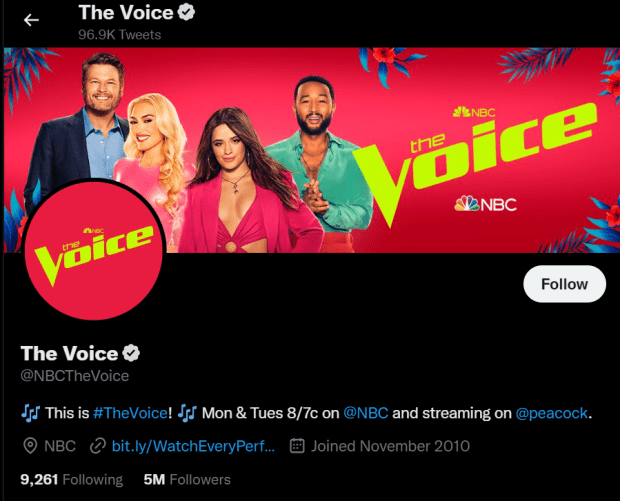
  The major social media page I looked at for The Voice now was Twitter, with over 5 million followers.

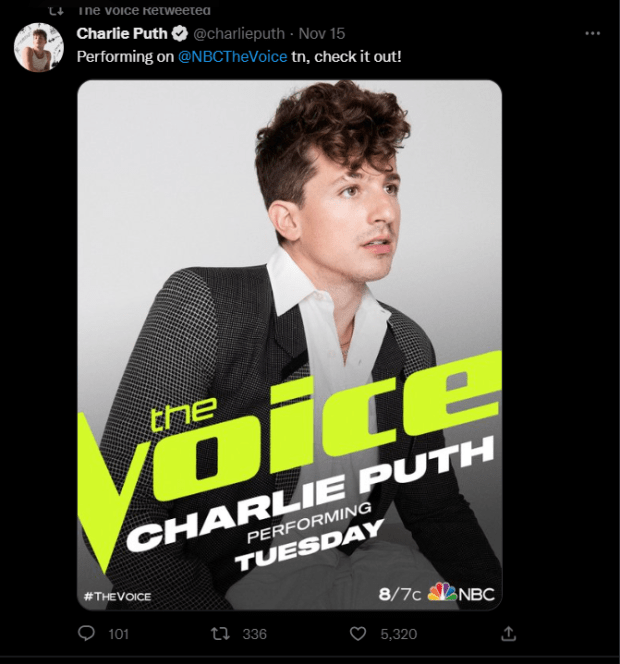
What they are doing effectively now is promoting their twenty-second season, with recent tweets highlighting popular musical guests such as Charlie Puth to help attract viewers to the show.

Ethical engagements in social media are helping since The Voice mostly posts relevant content, such as making poststo promote the ‘Instant Save’ social tv integration.

  Twitter has a mobile app, and it meets the consumers needs of The Voice by allowing them to quickly make a tweet to stay involved in the action. This happens through the ‘Insta Save’ social TV integration, as well as via the support for personalized content and showcasing conversation between talent. That is what The Voice is doing effectively now regarding digital media.

References

NBC Entertainment. (2016). FROM THE 8TH ANNUAL SHORTY AWARDS: THE VOICE. Retrieved from https://shortyawards.com/8th/the-voice-3

A Day in My Life using Digital Media

  The perspective I have on digital media, social media websites and applications feels distinctly millennial. Afterall, I was born in 1991, so I’ve gotten to grow alongside it. Heck, I can remember the “analog” world we had before the switch, and the digital phenomenon we have today. Social media became popular in the late 1990s as I was turning ten. It wasn’t until around 2005 when it really started taking off (BroadbandSearch.net., 2022), which just happened to be my formative teenage years.

  It’s with this distinctive millennial perspective I see myself a bit torn in how I approach which applications and websites I decide to use. The first notable social media website I remember using was Myspace. Myspace would be supplanted by Facebook, which I would eventually adopt using. I was a hold out for a few years, but eventually I gave in. I didn’t understand the appeal of another site doing what Myspace had been doing. Then eventually came Twitter, Snapchat, which I was also slow to adopt. Facebook stuck around so that has been my “daily driver” since I opened my account in 2009. I have yet to delete my original Facebook account somehow, guess that’s why I still use it!

  Facebook has stood the test of time since it continues to evolve while staying true to its roots. It also has a ton of integration with countless other systems and apps if you decide to take advantage of those features. The platform allows you to stay in touch with those who you might not stay in touch with otherwise as well. As I’ve grown older, I now understand the role of social media a bit more and that has led to my positive perspective on Facebook, and even other forms of social media. Another platform I use routinely is YouTube, which I almost forget is considered a form of social media with its comment section!

  I find that my needs for social interaction and media consumption are satiated by Facebook and YouTube mostly. I might launch other forms of social media from time to time since my fiancé is 5-6 years younger than me and her platforms of choice are a bit different than mine. She’s a big Instagram, Snapchat and TikTok user, and she will share stuff with me from those platforms from time to time. I get why companies embrace those platforms from a business perspective too, they will go where the eyes go. Where the eyes go means the advertising dollars will follow. I also worked at Microsoft in a position where I had to promote gaming events for a bit, so I understand the game.

  Moving on, emails that catch my attention are usually those promoting some sort of sale or discount, it’s really that simple for me. Offer me a way to save money from a brand that I recognize, and I will most likely click into the email at the very least. I also will click into the occasional Indeed or LinkedIn job awareness email to see what type of listing might have opened in my area. Although I’m happy in my role, I’m always open to new opportunities.

  What I notice about the use of digital media in marketing today is the shift toward TikTok, a platform I refuse to adopt wholeheartedly due to its ties to China. Nothing against China, I’ve just become a bit more considerate of my data usage especially when it comes to foreign countries. Although at this point, trying to reel in all the data I’ve put out there is like trying to put pandora back in the box, it’s just not feasible. At this point I’m just trying not to make it any worse by using TikTok. At the very least, not using TikTok that much, which is still better than fully embracing it. The world is embracing it regardless of my usage, and I’ve noticed it impacting Hollywood and the Music Industry. Most of my observations are from a casual lens. What I’ve noticed over the past couple years, aside from the big Marvel movies, Hollywood is taking less chances on unknown IP. The Music Industry, on the other hand, is making music catered to TikTok’s short form approach

  That is the day in my life for digital media. Facebook and & YouTube are my go-to sites and generally elicit a positive reaction from me when I do navigate to those platforms. Types of emails that get a reaction from me are mostly discount/sales related, with the occasional “job awareness” email from LinkedIn or Indeed. Finally, the trend I’ve noticed is the shift of focus to TikTok, and how it’s impacting the world of media. Thank you for reading!

References

BroadbandSearch.net. (2022). History of Social Media (It’s Younger Than You Think). Retrieved from https://www.broadbandsearch.net/blog/complete-history-social-media

Digital Advertising Predictions

  Here are my predictions on the three technologies, strategies, or trends that will have the most impact on digital advertising over the next five years.

  Wearable computing technology will continue to gain traction and become a focal point for digital marketers. The key reason to my belief in this is the data that wearables present to marketers. “Data is golden” and can help guide you while making any commercial, business or marketing decisions(Dodson, 2016). The data at hand involving wearables is biodata, such as consumer emotion. This biodata gives digital marketers the opportunity to serve dynamic ads based on your emotional state (Kendel, 2015). Imagine feeling angry and then being served an ad for counseling. These are the opportunities that wearables present. The use of biodata for marketing isn’t without controversy, but I believe as device adoption increases and discretion with what our data is being used for by companies, wearable computing will continue to gain steam and will have a big impact in digital advertising over the next five years.

  Showrooming will become the focus for brick-and-mortar retailers. I used to work at a Microsoft Store before the Covid-19 pandemic, and even before the store closed in March of 2020, we were already a showrooming focused store. We were aware customers were coming in to look at our computers and would most likely buy them online for better prices. So, we focused on experiences that they could only get at a Microsoft Store such as device setup and training. Based on my personal experience of working in retail for over a decade, I believe that for stores to justify their existence now in a Covid-19 world they need to adopt a similar approach. Covid-19 has pushed adoption of technology, many consumers were pushed to make their first e-commerce purchase during the pandemic. It’s no surprise that e-commerce company Amazon sales climbed 37% year over year in 2020 (Tenebruso, 2021). To compete with Amazon’s list of goods, prices, and delivery times I believe that traditional brick-and-mortar retailers need to adopt showrooming as a strategy to some degree or face having to close their doors. I predict that showrooming will be another strategy that will have major implication for digital marketers going forward in the next five years.

  One final technology that I feel will have major impact for digital marketers is the continued rise of autonomous vehicle technology. Just last year Waymo, the company that is seen as the leader of the world’s autonomous vehicle effort by most measures, started a completely driverless taxi program in Arizona (Berger, 2021). This effort will only continue to evolve in the coming years. Taxis present display advertising opportunities, geolocation opportunities, and much more. This is a technology I’m keeping an eye on and expect to have a huge impact for digital marketers in the next five years.

  Those are my predictions on the three technologies, strategies or trends that will have the most impact on digital marketing over the next five years.

References

Berger, G. C. (2021, August 19). Bloomberg. Retrieved from https://www.bloomberg.com: https://www.bloomberg.com/news/articles/2021-08-17/waymo-s-self-driving-cars-are-99-of-the-way-there-the-last-1-is-the-hardest

Dodson, I. (2016). The Art of Digital Marketing. Hoboken, New Jersey, United States of America: John Wiley & Sons, Inc.

Kendel, C. (2015, April 13). Vovia. Retrieved from https://www.vovia.com: https://www.vovia.com/blog/strategy/how-wearable-technology-will-change-your-marketing-forever/

Tenebruso, J. (2021, January 3). Nasdaq. Retrieved from https://www.nasdaq.com: https://www.nasdaq.com/articles/why-amazon-stock-soared-76-in-2020-2021-01-03

Final Fantasy IX Review

Zidane & Friends.

This game is special to me.

There was this pawn shop down the road from my house that sold PS1 games. I must have been 10 at the time, and every once in awhile my dad would bring me to this pawn shop to buy a video game. Inside this glass case they kept a stack of PS1 games. I’m reading the titles in the stack, and FF IX caught my eye. My friend had owned FF VII, and I remember being mesmerized watching him play the title. I had also beaten the Legend of Dragoon a few months earlier and was looking for a new experience, I imagined that FF IX would be that. Naturally, I begged my dad to buy it for me, and he did.

I was instantly hooked. From playing Tetra Master, to Chocobo Hot & Cold. This game was everything a 10 year old could have asked for back in the early 2,000s.

During my play through I made it to to disk two, and I couldn’t proceed because the disk couldn’t be read (probably why it was pawned in the first place). At the time convincing my dad to buy me the game again was a long shot since he was a single parent on a fixed income. I would come back to this game in my teen years, start again and complete it.

Now revisiting it again as a 30-year-old, the themes from the game resonate with me a lot more. The plot’s a little incoherent and all over the place, just how I like my Final Fantasy games.

This game is truly special to me, it brings me back to a time of innocence. All those memories playing it when I was 10 and during my teen years are so fuzzy, I just remember the essence of the game and the visuals from when I was younger. You can tell the game holds up since despite that, I can still enjoy the heck out of the game today. Being able to re-experience it as a 30-year-old will resonate even more with me for when I turn 60 and try to revisit the game then (god willing).

I could not recommend this title more.

PS: The ‘Hail to the King’ achievement and ‘The Ultimate Sword’ achievement are just cruel. Also, the ‘Let the Bodies Hit the Floor III’ achievement is just the worst. All I need now is a Legend of Dragoon Steam port (fingers crossed).